

The Measure of Things: Objects, Knowledge and Everyday Life in India
About the event
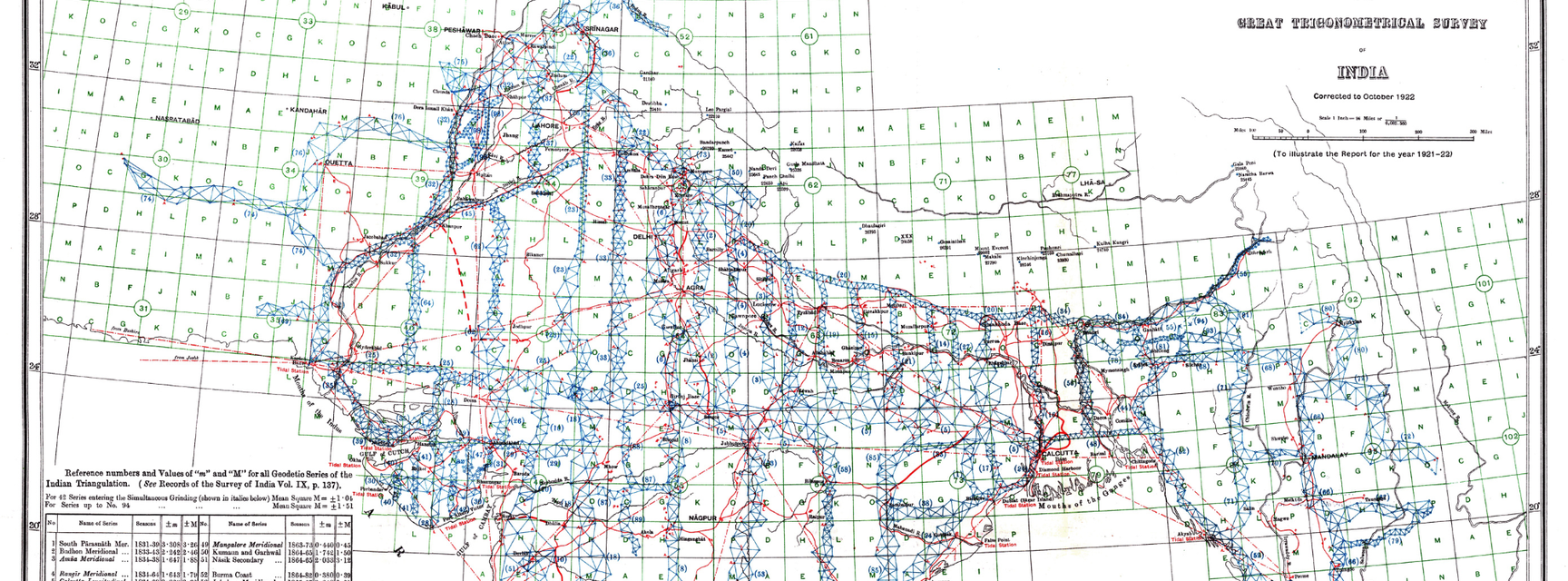
What can surveying instruments, grain measures and everyday measuring practices tell us about science, work and life in India?
Join researchers and collectors from India and Oxford for an evening of objects, conversation and interconnected histories.
About Colonial Standards
The Colonial Standards community research project provided an opportunity to bring together anthropology, social history and the history of science through the study of measurement and standardisation.
By combining ethnographic approaches with collections-based and archival research, the project explored how standards are created, negotiated and experienced in everyday life.
On the night
5.45 – 6.00 pm: Arrive
Meet the Colonial Standards team to relax and chat.
6.00 – 6:40 pm: Conversations in the Basement Gallery
A chance to mingle and talk with team members, who will bring five objects to stimulate discussion.
6.40 – 6:45 pm: Pause to reflect
Introducing the Colonial Standards project and sharing the evening's conversations
6.45 – 7.10 pm: Reflections from a collector in the Entrance Gallery
Mr Basavaraja will share his experience of collecting scientific instruments, followed by questions and discussion.
7.10 – 7.30 pm: Drinks reception (non-alcoholic) and introduction to new display Who decides what counts as a standard?
Stay and chat with the project team over a soft drink.
7.30 pm: Event ends
Apologies, we cannot offer disabled, level access to the Museum.
Meet the project team
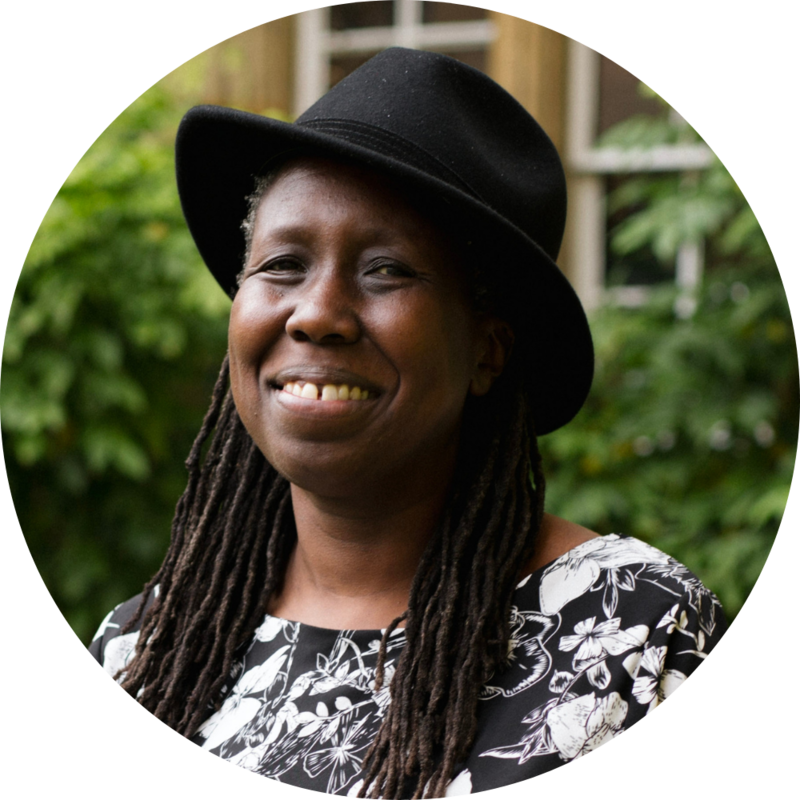
Dr JC Niala is Deputy Director and Head of Research, Teaching and Collections at the History of Science Museum, University of Oxford, and Principal Investigator of Colonial Standards.
Her research explores how knowledge is produced, shared and contested, with a particular interest in the role that museums, collections and communities play in shaping historical understanding.
She works extensively with collaborative and community-based research methodologies, bringing together objects, archives, oral histories and contemporary perspectives to investigate how knowledge travels across time and place.
Her work is highly collaborative and international, often connecting researchers, practitioners, collections and communities across institutional and national boundaries. Through Colonial Standards, she is particularly interested in how partnerships between India and the United Kingdom can generate new approaches to researching cultural heritage, scientific instruments and the social histories of knowledge.
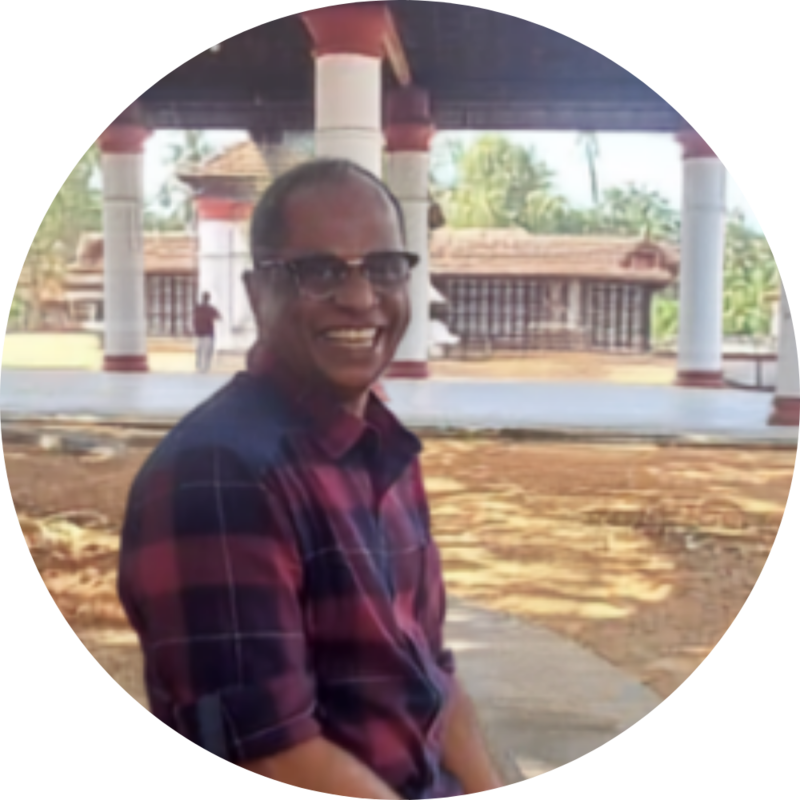
Senthil Babu D. is an historian of mathematics based at the French Institute of Pondicherry, in south India, where he is involved in studies concerning Nature, Knowledge and Labour.
He is coordinating the research programme on the Social History of Vernacular Mathematical Practices in India.
He has authored the book, Mathematics and Society: Numbers and Measures in early modern South India (Oxford University Press, 2022).
He is a member of the editorial board of the series, Verum Factum: Studies in Political Epistemology.
He is also a member of the Politically Mathematics Collective in India.
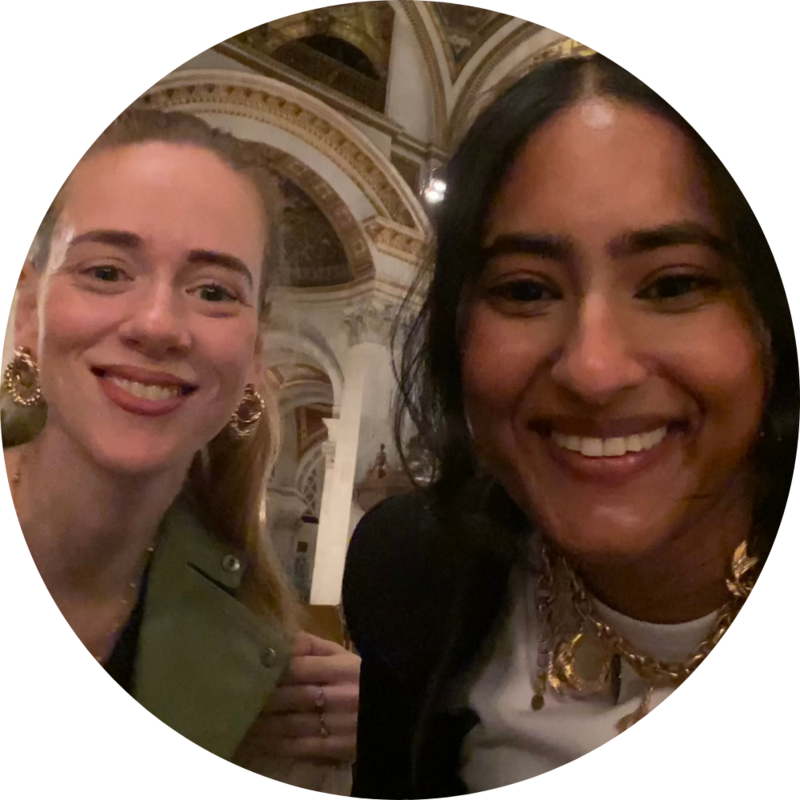
Together Maren Ellerman and Naajia Ahmed have established the collective The New Cartographers.
Their ambition is to create a database that digitally maps intangible cultural heritage with a range of lasting resources that is both truly accessible to a wide range of audiences and democratises this information.
They will achieve this through:
- academic research that is translated in a manner that is fun and engaging to the general public
- beautifully crafted documentaries in order to conserve multi-sensory
- exhibitions that create physical spaces of learning.
Naajia is a curator with a background in designing, developing, and delivering innovative, high-quality and inclusive exhibitions and research projects.
She centres her practice on an empathic and inclusive approach to create spaces that highlight under-represented narratives with dignity in order to conserve and protect stories that are at risk of being lost.
Her work includes research, reports, writing and exhibitions at the V&A, National Maritime Museum, House of Lords, UCL and the Museum of Watford.
Throughout her projects, Naajia seeks to be a champion of marginalised voices and the threats that jeopardise their stories being told.
Maren is a dance artist turned producer, developing and delivering participatory arts projects in partnership with artists, cultural organisations, mental health professionals and activists across the globe.
She believes that art has the power to shift social consciousness and is dedicated to empowering communities through creativity, ensuring that people are not just recipients, but active participants and contributors in the process.
Maren aims to strengthen the mental health and wellbeing of the communities she works with, increasing self-esteem, confidencen and a re-imagining of one’s identity. She is also Creative Director of grassroots dance & social change organisation Rain Crew, who build inclusive communities through dance, that help people proactively celebrate and share their authentic selves.

Dr Shankar Nair’s research focuses on the social and economic history of science and technology and its relationship to the history of empire in South Asia.
He is interested in the global and comparative history of science and technology, with an emphasis on production and knowledge embedded in practice.
As Postdoctoral Researcher on the Colonial Standards project, his research seeks to bring the collections in the History of Science Museum, University of Oxford in conversation with practitioners and users of mathematical instruments in late colonial India, tracing the institutional arrangements, the various ways of knowing, and forms of labour that went into the construction of knowledge in surveying, astronomy, and navigation as these ideas and techniques travelled across the world.

