


Let's Talk About: Surveillance

How do we talk about surveillance—and its role in tracking and preventing outbreaks of disease?
Disease surveillance helps us spot outbreaks early, track patterns, and look after public health. But it can also feel uncomfortable. As more everyday data is used to predict and prevent pandemics, questions about trust, transparency, and who gets a say become harder to ignore.
We're excited to share our second 'Let's Talk About' event created with the Pandemic Sciences Institute. Join us at the History of Science Museum for conversations exploring questions such as ‘how do you identify emerging pandemic threats?’ and ‘how should we navigate everyday data — from social media to wearable devices — being used in public health?’.
You'll hear from four thought-provoking speakers who will guide small breakout discussions centred around unique objects that tell a story about their work. You'll also have an opportunity to contribute to the conversation as we explore how all of us can shape future research on these topics. Will hearing each other’s stories shift how we think?
Let’s talk about surveillance.
Event details:
17:30 – Arrive at the Entrance Gallery
Explore our A Healthy Future for All exhibition curated by HSM and PSI. Chat with the curators and speakers.
17:45 – Welcome
A welcome from our Museum Director Dr Silke Ackermann and an introduction to our speakers from Dr Sean Elias (PSI).
17:50 – 19:30 Conversations in the Basement Gallery
Speakers will lead small group conversations before we come together to share discussion highlights and have time for your questions.
Apologies, we cannot offer disabled, level access to the Museum.
SOLD OUT
Meet the speakers
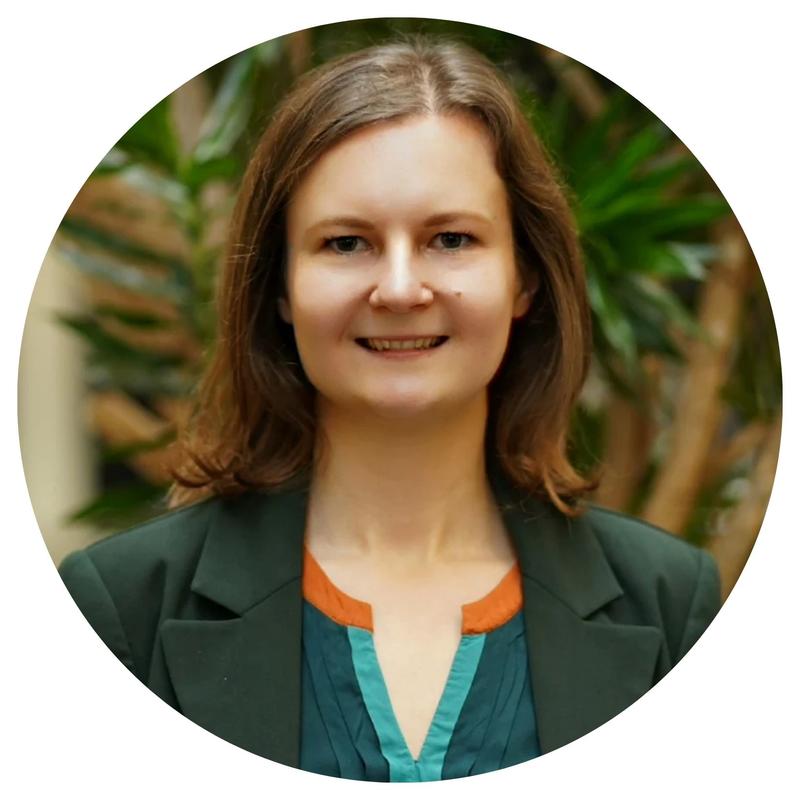
Dr Jana Sedlakova is a postdoctoral researcher at the Ethox Centre. Her research focuses on the ethics of data use and AI in healthcare, and on developing constructive ways to engage with controversial and difficult health-related topics. Drawing on her work with epidemiologists and data scientists, she explores how different sources and types of data are reshaping our practices, and where their limitations, opportunities, and risks lie.
Disease surveillance is essential for preparedness and public health. As more everyday data, from social media to wearable devices, becomes available, new questions emerge. Choices about which data are used, how they are combined, who collects them, and for what purposes reshape how we understand surveillance, trust, care, or vulnerability.

Dr Philip Ashton is a scientist who uses DNA data to help improve public health, especially in countries where infectious diseases are a major cause of serious illness and death. He has worked in public health in the UK and overseas, including in Vietnam and Malawi, supporting health services to respond to disease outbreaks and strengthen prevention efforts.
When public health works well, it can be invisible — no outbreaks, no headlines, no panic. Microbial surveillance is what makes that possible. After COVID-19, rebuilding trust means being transparent, humble, and honest about what the data can and can’t tell us.

Dr Cathal Mills is a scientist who uses maths to advance global health. His research focuses on mosquito-borne diseases in resource-limited settings, tackling the persistent global inequities caused by infectious diseases. Through his methods, we can gain insights into the past (why outbreaks occurred), the present (how rapidly they are spreading), and the future (what is likely to happen).
Effective public health decisions depend on timely, reliable information. Mathematical models turn limited and imperfect data into a clearer picture of where an outbreak came from, how fast it’s spreading, and what comes next.

Dr Vanashree Sexton works as a researcher at the Research & Surveillance Centre (RSC), in the Nuffield Department of Primary Care Health Sciences at the University of Oxford. She works on research projects focussed on patterns of respiratory and infectious disease in the population using data collected from general practices in the RSC network.
Public health surveillance relies on trust—what would make you feel confident contributing samples or data to protect community health?

Jessica Smylie is the Practice Liaison Team lead, working closely with numerous practices within the UK to support their involvement in public health surveillance and research, as well as assisting on PPIE work. She is also responsible for managing the CRM, communications and marketing for current and prospective practices and ORCHID website maintenance and updates.
Health is the greatest possession.

