

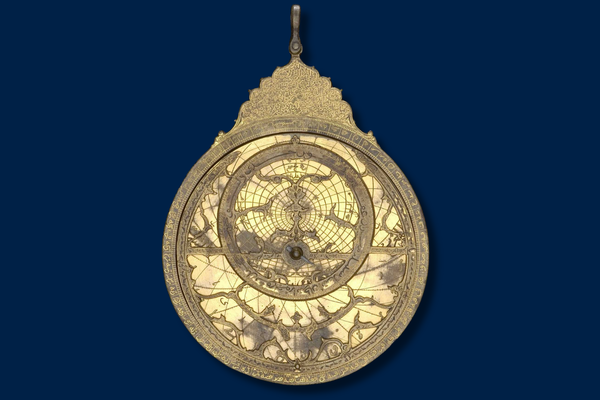
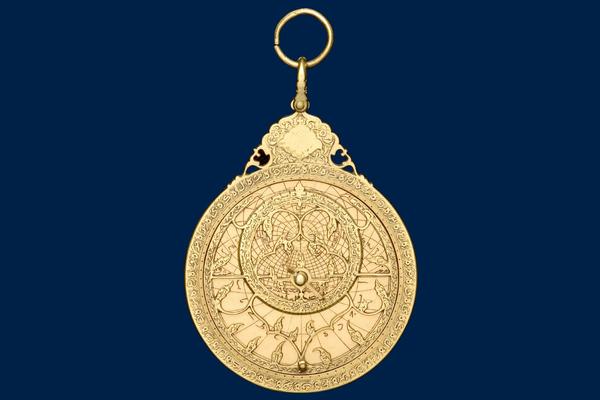
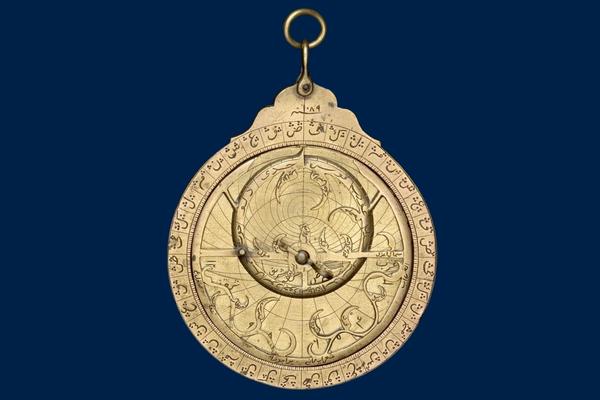


This project will explore how provenance research – the study of an object’s history of ownership – can be used to deepen our understanding of objects and their histories while developing and strengthening relationships between communities and museums.
Provenance research is now a central part of museum practice. In the context of history of science collections, this research often concentrates solely on the legal – or illegal – transactions that resulted in the transfer of an instrument’s ownership. Priority is often given to the transaction(s) that resulted in the object entering the museum’s collection.
Although this is an important focus, it does in many cases create an emphasis on:
- origins: the ‘original’ people who made, used, and prized the object, and
- ends: the ‘final’ people who bought and donated the object.
For many objects, the ‘origin’ and ‘end’ are centuries apart – and in that gap we lose the rich history of many generations of people, across various societies, who used, valued, bought, sold, bequeathed, and gifted the object.
This project focuses provenance research in this gap. It aims to show that investigating historical questions in collaboration with community researchers can advance knowledge, build trust, and deepen relationships between the museum and communities.

